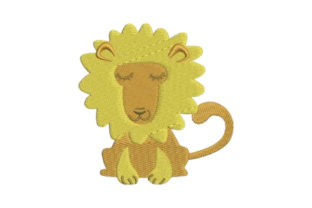
Nursery Lion Embroidery Design
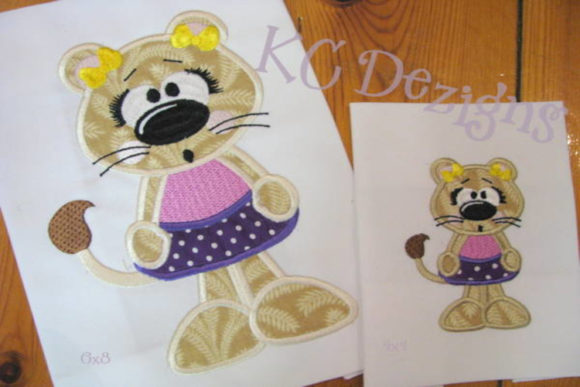
The Nursery Lion machine embroidery design is a standout piece that captures the hearts of parents and craft enthusiasts alike. With its cute, playful aesthetic, it’s ideal for a variety of craft fair products and handmade items. As an experienced embroidery designer, I’ve evaluated this design in several contexts to determine its potential for sales and visual appeal.
First Impression and Visual Appeal
From the first glance, the Nursery Lion exudes a soft, friendly vibe. It feels like a perfect addition to any baby-themed project, blending cuteness with a touch of whimsy. The design is neither too bold nor too minimal, making it versatile for different styles—from farmhouse to modern. Its simplicity ensures it doesn’t overwhelm the product it’s applied to, while still standing out as a focal point.
Performance on Different Products
When considering where the Nursery Lion shines, tote bags are a natural fit. A tote bag design featuring this lion can draw attention at a craft fair booth, especially when paired with other baby-themed items. Similarly, apron embroidery and tea towel embroidery with this design add a personal, handmade touch that customers love. The lion works well as an embroidered patch, making it easy to attach to backpacks, jackets, or even small pouches.
For caps and market bags, the design adapts well, though care must be taken with curved surfaces. Pillow covers and handmade gifts benefit from the lion’s charm, offering a unique and thoughtful item for buyers. As a printable mockup, it provides a clear visual for Etsy sellers and small shop products, helping to showcase the design before production.
Practical Selling and Production Points
The Nursery Lion is easy to recognize at a glance, which is essential for a craft fair display. It works well as both a small accent and a larger focal design, depending on the product. When photographed for online listings, the design maintains clarity, making it ideal for Etsy sellers and digital embroidery file marketing.
From a production standpoint, the design is repeatable for batch work, provided the stitch density is appropriate. However, it’s important to test the design on scrap fabric before committing to large runs. This helps ensure that the thread colors contrast well with the fabric texture and that the hoop size is suitable for your machine.
Careful-Use Notes
While the Nursery Lion is generally straightforward, there are some areas to be mindful of. Dense stitch areas may cause puckering on certain fabrics, so using the right stabilizer is crucial. Tiny details and small lettering could be lost if the design is scaled down, so it’s best to keep it at a reasonable size for most applications.
On thick fabric or textured towels, the design may not sit as smoothly, requiring extra attention to placement. Dark fabric can also affect the visibility of lighter thread colors, so choosing the right combination is key. For curved cap surfaces, the design might need slight adjustments to maintain its shape and clarity.
Impact on Customer Engagement and Branding
The Nursery Lion adds significant visual appeal to any product it’s featured on. It draws customer attention and enhances the perceived value of handmade products. As a consistent design element, it supports brand identity, especially for businesses focused on baby animals and embroidery.
At a craft fair booth, the design strengthens the overall display by offering a cohesive theme. It encourages buyer engagement, as many customers are drawn to the cute and familiar image of a lion in a nurse outfit. This makes it an excellent choice for booth samples and promotional items.
Embroidery Designer Notes
Before finalizing any project, I recommend testing the Nursery Lion on different fabrics to see how it performs. Check the stitch density to ensure it’s suitable for your machine and the intended product. Review the spacing between elements to avoid overcrowding, especially on smaller items.
Confirming the hoop size is essential, as it affects how the design is stitched. Using the right stabilizer will help prevent distortion, particularly on delicate or stretchy materials. Creating at least one real mockup allows you to see how the design looks in practice, which is invaluable for commercial embroidery projects.
Compare fabric colors to ensure the design stands out appropriately. Lastly, always confirm the commercial licensing terms before selling finished products, as this varies by design provider.
Conclusion
The Nursery Lion is a versatile and appealing machine embroidery design that has strong potential for craft fair products and handmade items. Its cute, approachable style makes it ideal for a wide range of applications, from tote bags to embroidered patches. With proper attention to detail and production considerations, it can become a valuable asset for any embroidery business or handmade shop.